
Polystyrene Model Making Process
Explaining the foam model making process
From a block of raw polystyrene or polyurethane foam to your exact replica milled using our large scale 5-axis CNC milling machines.
Step 1 - Computer model file
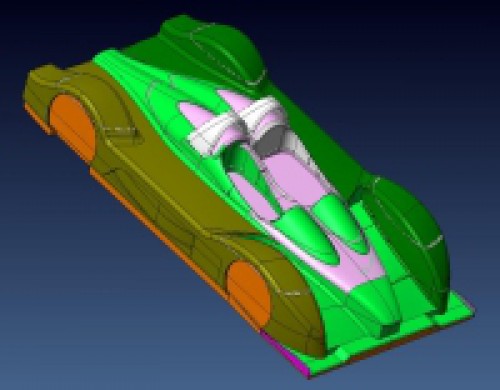
Starting with a computer model file and using powerful CAD CAM software, we determine if your job needs sectioning. Depending on the size or intricacy we decide on any cutting strategies required to produce the finished foam model.
A computer model file can come from a CAD system, laser scan or animation package meaning anything can be made in polystyrene or polyurethane foam.
If you don't already have a computer file for your model, call Bakers Patterns on +44 (0) 1952 216165 or email info@polystyrenemodels.co.uk and we can possibly reverse engineer your model.
Computer model file, large scale CNC machining
Step 2 - Programming our 5-axis polystyrene milling machine
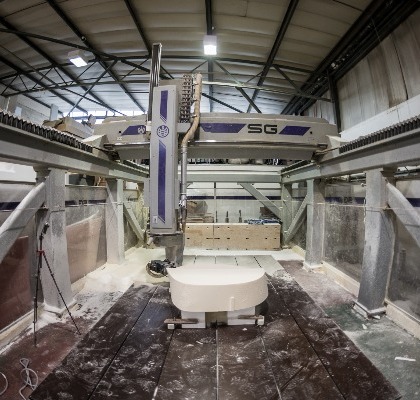
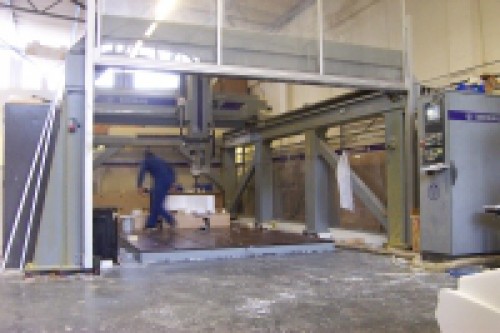
Once we have the computer file for your model, our 5-axis cnc milling machine is programmed using an off-line CAM (computer aided machinery) system which determines the polystyrene or polyurethane foam cutting process.
Bakers Patterns have the biggest, dedicated polystyrene / polyurethane foam 5-axis milling machine in the country allowing us to handle any size project.
Programming our 5-axis polystyrene milling machine, large scale CNC machining
Step 3 - Milling the raw polystyrene / polyurethane foam block
Having programmed the milling machine, it will then mill the raw polystyrene or polyurethane foam blocks into the finished model shape extracting the dust as it cuts.
We compact the waste polystyrene and foam dust and the polystyrene cut-offs which are then recycled.
Milling the raw polystyrene / polyurethane foam block
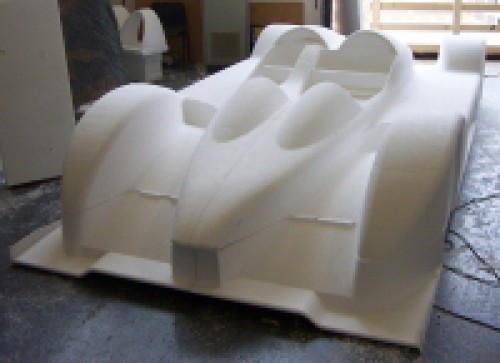
Step 4 - Bonding the individual sections together
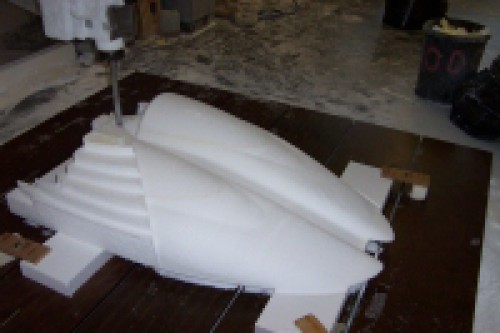
The individual milled sections are then bonded together to create the finished polystyrene or foam model.
Items cast in bronze can be left in the individual pieces to aid the casting process.
Bonding the individual sections together
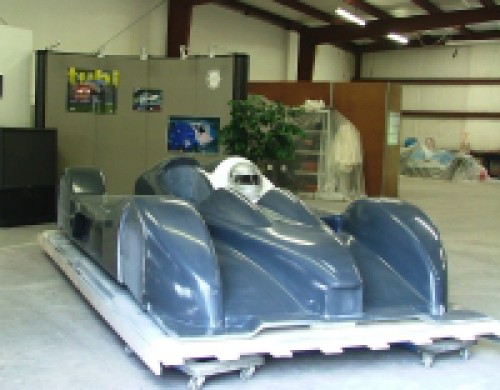
Step 5 - The finished polystyrene / polyurethane model
The polystyrene / polyurethane foam models can be used as is, painted for use as display items or coated with resin and fibreglass to be used as moulding bucks or prototypes.
The finished polystyrene / polyurethane model
Call Bakers Patterns on +44 (0) 1952 216165 or email info@bakerspatterns.co.uk for details of polystyrene and polyurethane foam model making.